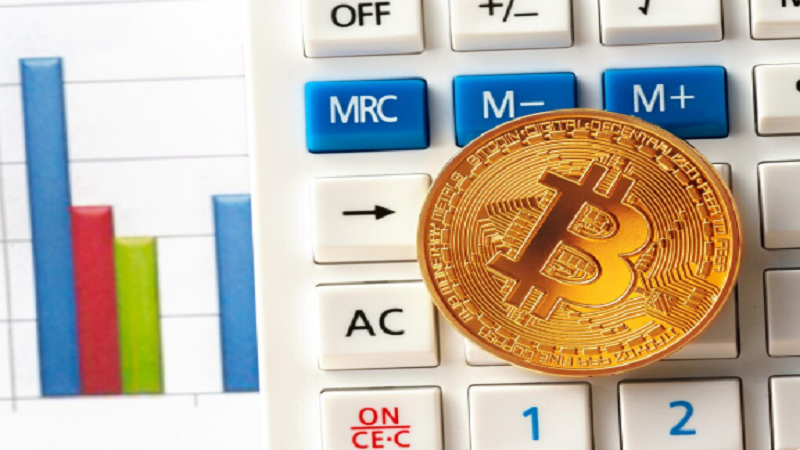

The cryptocurrency industry continues to evolve at a rapid pace. From decentralized finance to blockchain-based applications, digital assets are reshaping how people think about money, investment, and technology. Understanding current movements in this space is essential for investors, developers, and everyday users who want to stay informed.
In this article, we explore roarcultable latest crypto trends from riproar and examine how modern developments are influencing the global financial ecosystem. Rather than promoting any platform, this guide focuses on education, awareness, and practical understanding of the trends shaping the crypto world today.
The Evolution of Cryptocurrency Markets
Cryptocurrency markets have matured significantly over the last decade. In the early days, digital coins were mainly speculative assets with limited real-world use. Today, blockchain technology powers financial services, gaming ecosystems, digital identity systems, and even supply chain management.
One of the key observations in the latest crypto trends from riproar is the shift from hype-driven investing to utility-driven adoption. Investors are now evaluating projects based on:
-
Real-world use cases
-
Strong development teams
-
Transparent tokenomics
-
Community engagement
-
Regulatory awareness
This transition shows that the market is becoming more structured and informed. Volatility still exists, but long-term sustainability has become a major focus.
Decentralized Finance (DeFi) Expansion
Decentralized Finance, commonly known as DeFi, remains one of the most impactful trends in crypto. DeFi platforms allow users to lend, borrow, trade, and earn interest without relying on traditional banks.
Key DeFi developments include:
1. Smart Contract Automation
Smart contracts automatically execute agreements when conditions are met. This reduces the need for intermediaries and lowers transaction costs.
2. Yield Optimization
Users can move funds between liquidity pools to maximize returns. However, this also increases risk exposure.
3. Cross-Chain Compatibility
New protocols allow assets to move across different blockchains, improving liquidity and accessibility.
According to roarcultable latest crypto trends from riproar, DeFi is moving toward improved security, better user interfaces, and more regulatory clarity. Early DeFi platforms faced hacking incidents and technical weaknesses, but modern solutions are increasingly focused on audits and transparency.
Rise of Real-World Asset Tokenization
Another major development in the crypto space is tokenization. This process converts real-world assets into digital tokens stored on a blockchain.
Examples include:
-
Real estate
-
Commodities
-
Art and collectibles
-
Bonds and securities
Tokenization allows fractional ownership, meaning investors can buy small portions of expensive assets. This increases accessibility and liquidity.
The growing attention toward tokenized assets highlights a broader trend: blending traditional finance with blockchain technology. Instead of replacing the financial system, crypto innovations are gradually integrating with it.
Institutional Adoption and Market Stability
In recent years, large institutions have entered the crypto market. Hedge funds, asset managers, and even corporations are allocating portions of their portfolios to digital assets.
Institutional involvement brings:
-
Greater liquidity
-
Increased market credibility
-
Improved compliance standards
-
Long-term investment strategies
While retail investors often react emotionally to market fluctuations, institutions tend to focus on strategic accumulation. This shift has contributed to more structured growth cycles.
The research reflected in roarcultable latest crypto trends from riproar shows that institutional participation is no longer experimental—it is becoming part of diversified investment frameworks.
Blockchain Scalability Improvements
Scalability has long been a challenge for blockchain networks. As user activity grows, networks can become congested, leading to higher fees and slower transactions.
To solve this issue, developers are introducing:
Layer 2 Solutions
These operate on top of existing blockchains to increase transaction speed and reduce costs.
Proof-of-Stake Mechanisms
Compared to Proof-of-Work, this model reduces energy consumption and increases efficiency.
Sharding Technology
Sharding divides the blockchain into smaller sections to process transactions in parallel.
Scalability improvements are essential for mainstream adoption. Without faster and cheaper transactions, crypto cannot compete with traditional payment systems.
Growth of Web3 Ecosystems
Web3 represents the next stage of internet development. Instead of centralized platforms controlling data, Web3 aims to give users ownership through blockchain-based systems.
Key features include:
-
Decentralized applications (dApps)
-
User-controlled digital identities
-
Token-based governance systems
-
Community-driven platforms
Web3 encourages transparency and digital ownership. Users can vote on project decisions, earn tokens for participation, and maintain control over their assets.
This movement reflects a broader philosophical shift toward decentralization and user empowerment.
NFTs Beyond Digital Art
Non-Fungible Tokens (NFTs) initially gained popularity through digital art and collectibles. However, their use cases are expanding rapidly.
Modern NFT applications include:
-
Gaming assets
-
Event ticketing
-
Intellectual property licensing
-
Membership access systems
NFT technology ensures proof of ownership and authenticity. As innovation continues, NFTs are becoming tools for verification and digital identity rather than simple collectibles.
The market has become more selective, focusing on projects with long-term value instead of speculative hype.
Regulatory Developments and Compliance
Regulation remains one of the most important aspects of crypto’s future. Governments worldwide are working to create frameworks that balance innovation with consumer protection.
Important regulatory themes include:
-
Anti-money laundering compliance
-
Tax reporting standards
-
Stablecoin oversight
-
Investor protection laws
Clear regulations can reduce fraud and increase institutional confidence. However, overly restrictive rules may slow innovation.
A balanced regulatory environment is crucial for sustainable growth in the digital asset ecosystem.
Security and Risk Management
Security remains a central concern in the crypto world. Since blockchain transactions are irreversible, mistakes or hacks can result in permanent losses.
To improve safety, projects are adopting:
-
Multi-signature wallets
-
Hardware wallet storage
-
Regular smart contract audits
-
Insurance-backed custodial services
Education is equally important. Users must understand private key management, phishing risks, and secure transaction practices.
Security improvements are helping build trust and encouraging broader adoption among cautious investors.
The Role of Artificial Intelligence in Crypto
Artificial Intelligence (AI) is increasingly integrated into crypto systems. AI tools assist in:
-
Fraud detection
-
Market trend analysis
-
Automated trading strategies
-
Risk assessment
By combining blockchain transparency with AI analytics, developers are building smarter financial ecosystems. However, ethical concerns and algorithm transparency remain important considerations.
Sustainable and Green Crypto Initiatives
Environmental impact has been widely debated in the crypto industry. Energy-intensive mining practices raised concerns in the past.
Today, many projects focus on sustainability through:
-
Renewable energy mining
-
Carbon offset programs
-
Energy-efficient consensus models
The transition toward greener solutions reflects growing environmental awareness among investors and developers alike.
Community Governance and DAO Structures
Decentralized Autonomous Organizations (DAOs) are transforming governance models. Instead of centralized leadership, token holders vote on project decisions.
DAO benefits include:
-
Transparent decision-making
-
Global participation
-
Democratic funding allocation
This governance structure aligns with the decentralized philosophy of blockchain technology.
Communities now play an active role in shaping project direction, funding development, and influencing upgrades.
Market Volatility and Risk Awareness
Despite progress, cryptocurrency remains volatile. Price swings can occur due to:
-
Regulatory news
-
Market sentiment
-
Macroeconomic trends
-
Technological developments
Investors must practice risk management strategies such as diversification and responsible allocation. Education and research are essential before entering any crypto investment.
Understanding market cycles can help reduce emotional decision-making.
Future Outlook of the Crypto Industry
Looking ahead, the crypto industry is likely to continue evolving through innovation and integration. The insights discussed in roarcultable latest crypto trends from riproar highlight a movement toward maturity, regulation, and technological advancement.
Future developments may include:
-
Central Bank Digital Currencies (CBDCs)
-
Improved blockchain interoperability
-
Enhanced privacy solutions
-
Broader enterprise adoption
-
Seamless integration with traditional finance
Rather than existing separately, crypto and traditional financial systems may increasingly collaborate.
The next phase of growth will likely prioritize security, compliance, scalability, and practical utility.
Conclusion
The cryptocurrency landscape is dynamic, complex, and full of opportunity. From DeFi and tokenization to institutional adoption and sustainability efforts, the industry continues to transform at a global level.
This comprehensive overview of roarcultable latest crypto trends from riproar demonstrates that crypto is no longer just a speculative market—it is a developing technological ecosystem with real-world applications.
As innovation continues, education remains the most powerful tool for navigating this space. By understanding emerging trends, managing risks carefully, and staying informed about technological and regulatory changes, individuals can better position themselves within the evolving digital economy.